



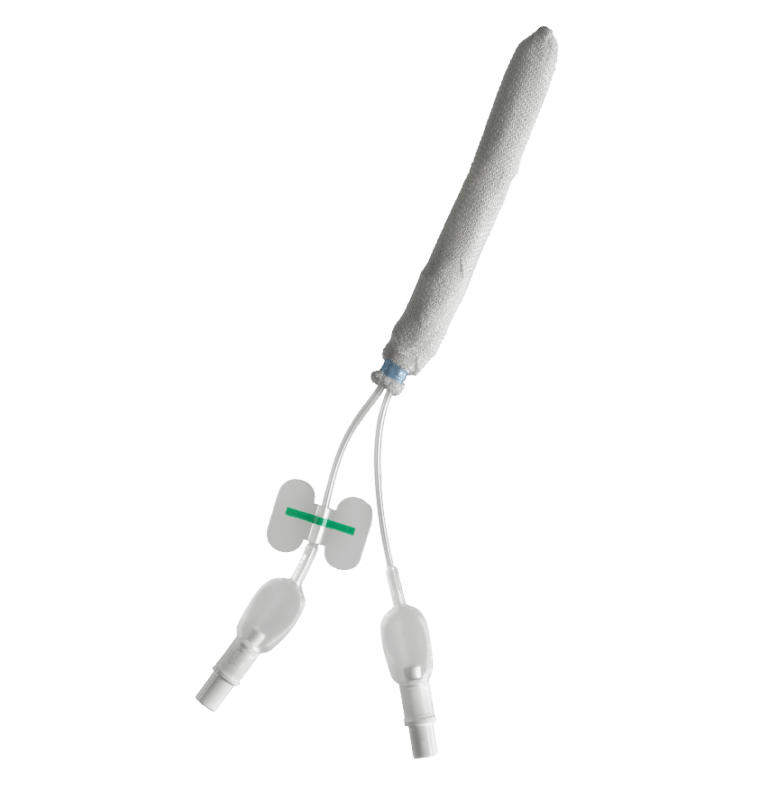
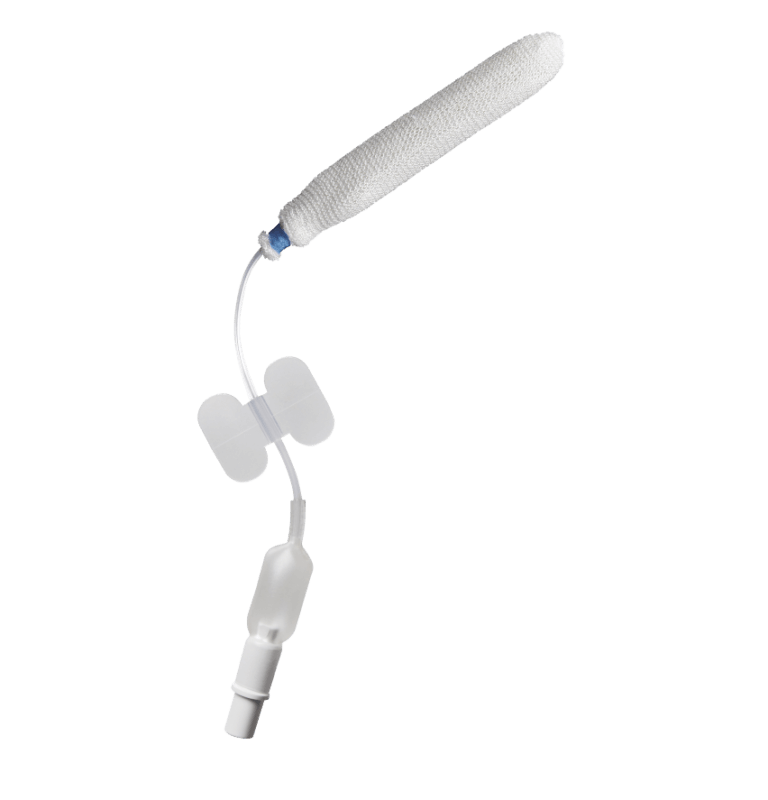
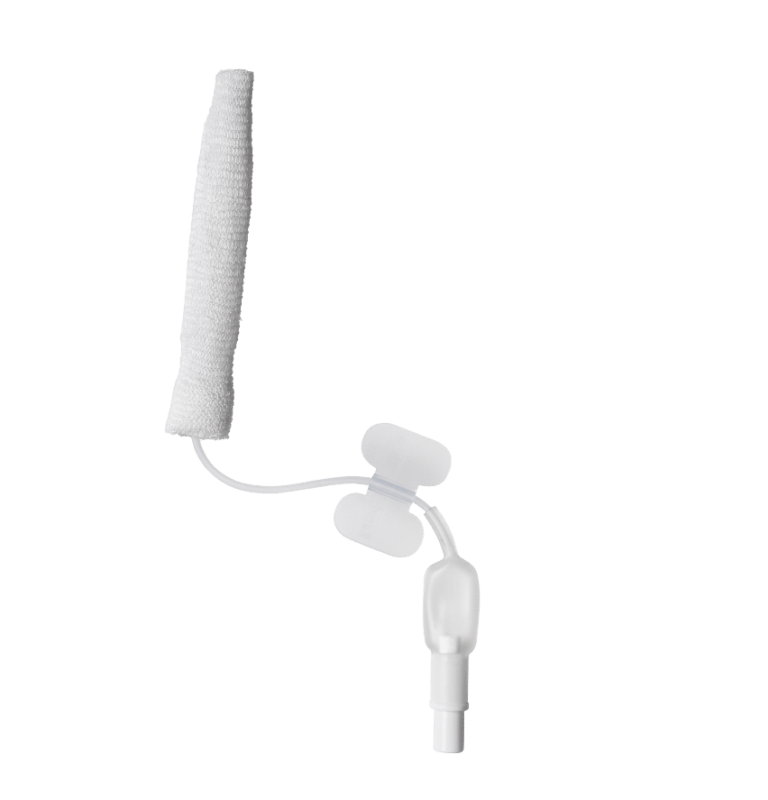
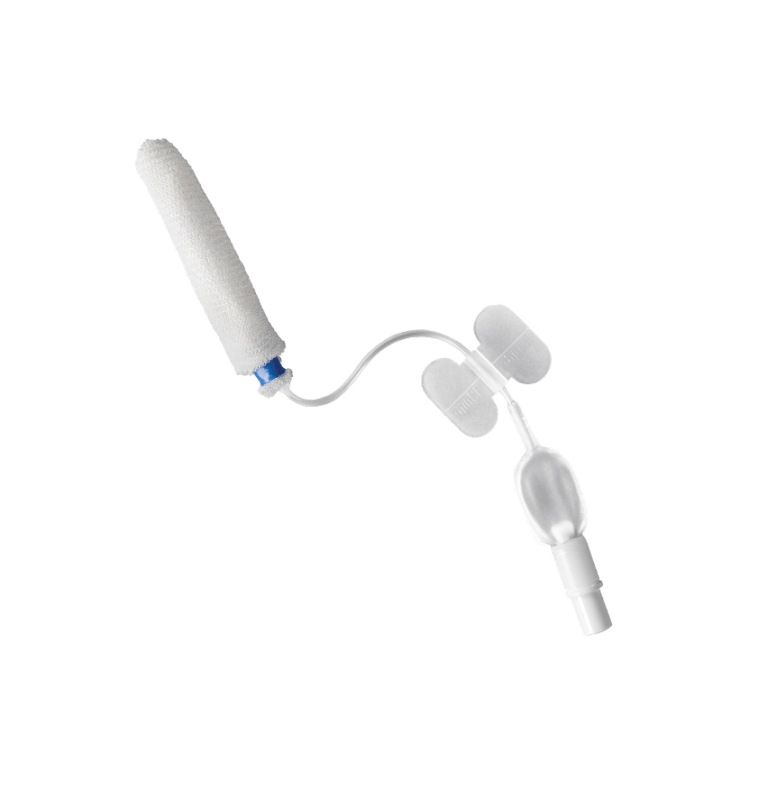

RR 450

RR 550

RR 750

RR 900

Control epistaxis with enhanced patient comfort1-5
RAPID RHINO◊ epistaxis devices are designed to control nasal bleeding and support haemostasis while prioritizing patient comfort.1-5, 9-11 The self-lubricating hydrocolloid fabric supports easy insertion and removal, while the ultra-low-profile design allows the device to conform to the nasal cavity for comfortable placement.1-3, 12
-

Easy-to-use
Designed for easy insertion and removal.1-3

-
Hemostasis
Designed to conform to nasal anatomy to promote hemostasis and epistaxis management.1-5, 9-11

-
Comfortable
Patients report greater comfort during insertion and removal compared with traditional nasal packing.1-5

-
Safe
Designed to help minimize adherence to tissue or blood clots upon removal.1-3, 5

-
Broad selection
Available in multiple sizes to accommodate a range of nasal anatomies.

CMC Technology: Advanced protection and comfort
Carboxymethyl Cellulose (CMC) is a plant-based material that forms a moisture-rich environment designed to help minimize bleeding*, reduce adherence to tissue or clots, and support comfortable insertion and removal.1-5, 7-11
*As demonstrated in vitro and in vivo
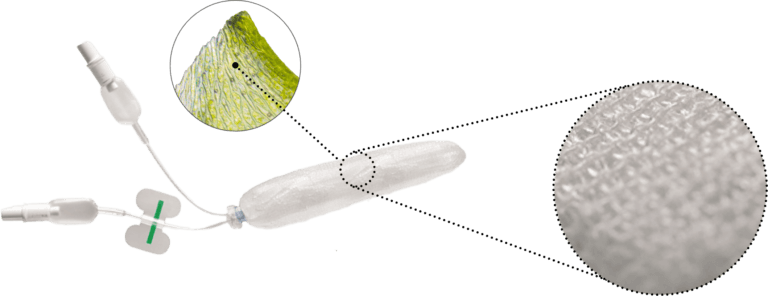
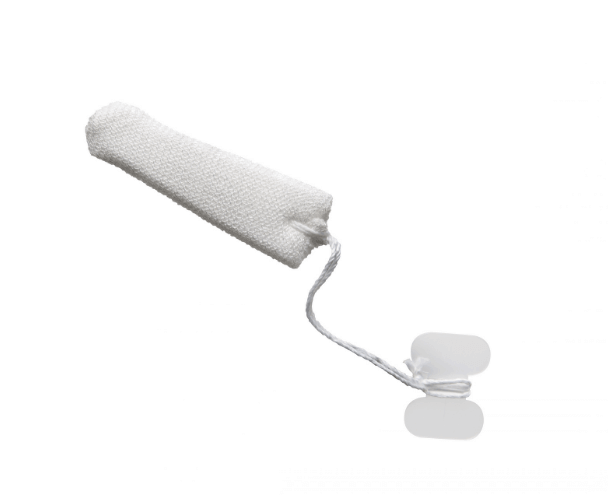
A full range of epistaxis solutions
RAPID RHINO◊ devices are available in a range of sizes to accommodate different patient nasal anatomies, with both inflatable and non-inflatable options to support a variety of treatment needs.

RAPID RHINO◊ vs. Rhino Rocket®
Comparing RAPID RHINO devices against competitor Rhino Rocket
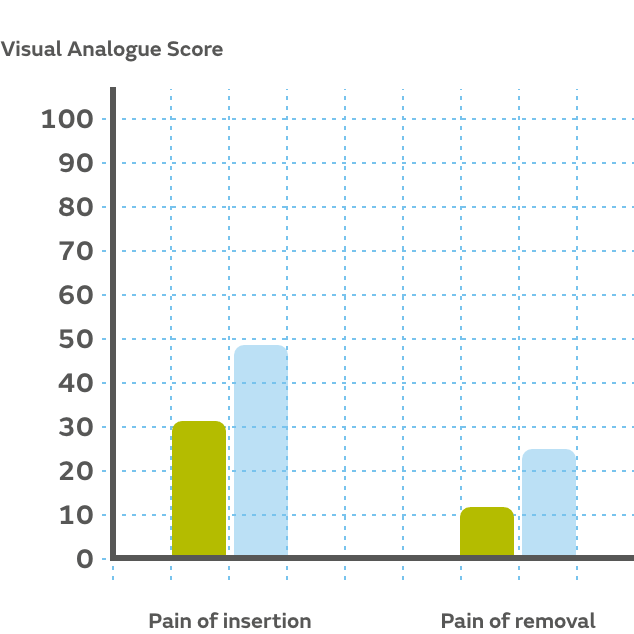
RAPID RHINO devices were found to be significantly easier to insert, easier to remove, and less painful for patients than Rhino Rocket devices.¹
Ease of insertion¹
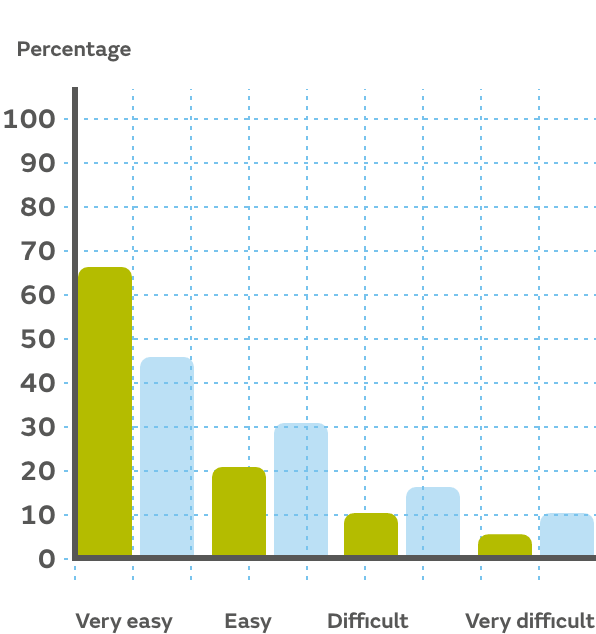
Ease of removal¹

Mean pain score¹

Easy to prepare and use
RAPID RHINO◊ epistaxis devices usage instructions
Watch the video or read the step-by-step instructions below for information on how to use RAPID RHINO products.
- Insertion
- Aftercare

Step 1:
Remove device from envelope packaging, and blue plastic tube encasing if present. Soak in sterile water for at least a FULL 30 seconds.

Step 2:
Insert tamponade into the patient’s nostril parallel to the septal floor, or following along superior aspect of the hard palate, until the blue indicator is just past the nares (inside opening of nostril)
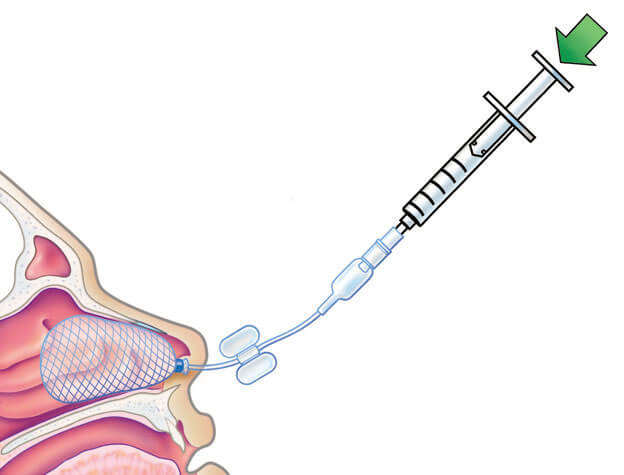
Step 3:
Using a 20cc syringe, slowly inflate the RAPID RHINO device with AIR only. Monitor the pilot cuff for direct tactile feedback; stop inflation when the pilot cuff becomes rounded and feels firm when squeezed.
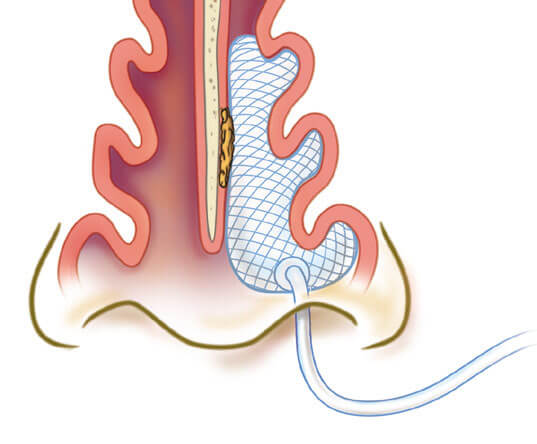
Step 4:
Inflate the cuff to provide a gentle, low pressure tamponade delivering the CMC fabric directly to the bleed site.
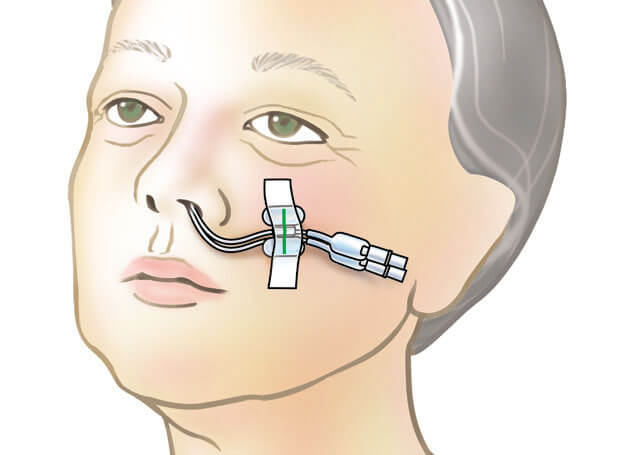
Step 5:
When there is sufficient pressure in balloon(s), allow the patient to sit for 15-20 minutes prior to discharge. Swelling in the nasal anatomy will reduce and the balloon(s) may need to be inflated more to avoid movement of the device.
After assessment of the pilot cuff, tape inflation catheter(s) to the patient’s cheek for discharge.

Step 6:
The patient may come back 24-72 hours later to remove the device or they may see an ENT specialist for follow-up.
Discharge information to share with your patients
